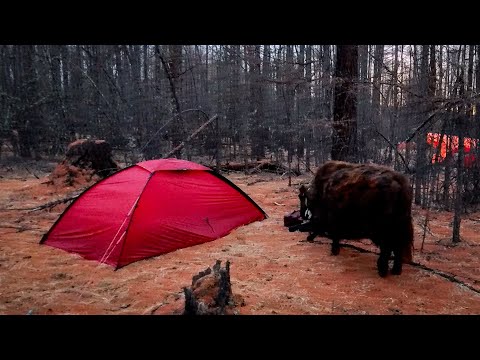
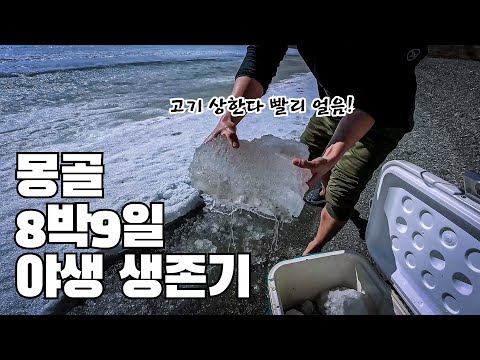
지금 당장 백패킹을 해야하는 과학적 이유
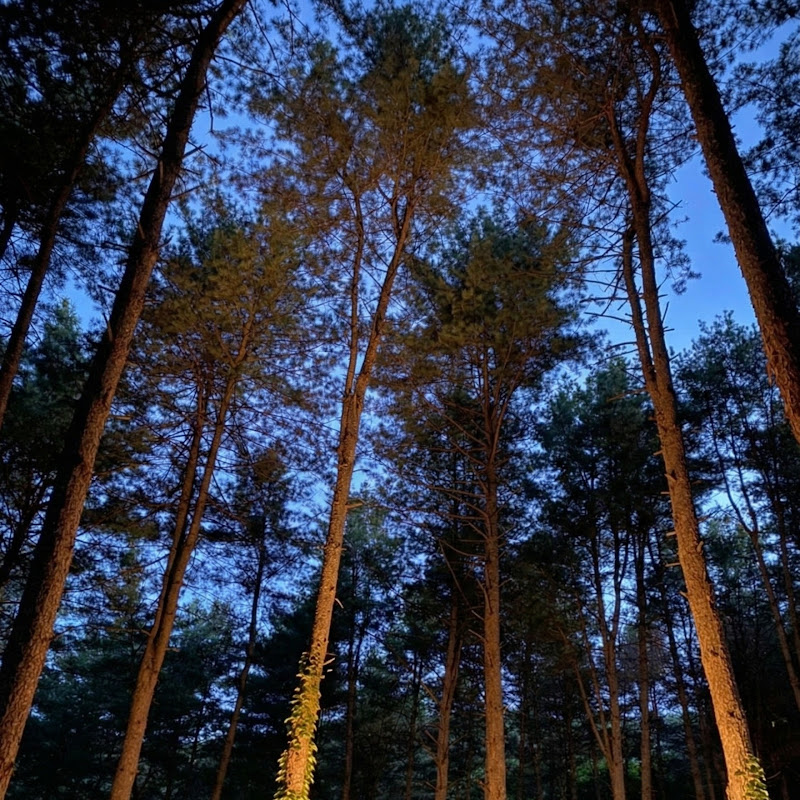
지금 보고 있는 영상

지금 당장 백패킹을 해야하는 과학적 이유
조회수 5,960
영상 설명 · 눌러서 펼치기
참고 문헌 리스트 (원문)
White, M. P., Alcock, I., Wheeler, B. W., & Depledge, M. H. (2019). Spending at least 120 minutes a week in nature is associated with good health and wellbeing. Scientific Reports, 9(1), 7730.
Bratman, G. N., Daily, G. C., Levy, B. J., & Gross, J. J. (2015). The benefits of nature experience: Improved affect and cognition. Landscape and Urban Planning, 138, 41-50.
Kaplan, S. (1995). The restorative benefits of nature: Toward an integrative framework. Journal of Environmental Psychology, 15(3), 169-182.
Weinstein, N., Przybylski, A. K., & Ryan, R. M. (2009). Can nature make us more caring? Effects of immersion in nature on intrinsic aspirations and generosity. Personality and Social Psychology Bulletin, 35(10), 1315-1329.
Clayton, S., Manning, C. M., Krygsman, K., & Specht, K. (2017). Mental health and our changing climate: Impacts, implications, and guidance.
Washington, DC: American Psychological Association, and ecoAmerica.
Park, B. J., Tsunetsugu, Y., Kasetani, T., Kagawa, T., & Miyazaki, Y. (2010).
The physiological effects of Shinrin-yoku (taking in the forest atmosphere or forest bathing): evidence from field experiments in 24 forests across Japan. Environmental health and preventive medicine, 15(1), 18-26.
Berman, M. G., Jonides, J., & Kaplan, S. (2008). The cognitive benefits of interacting with nature. Psychological science, 19(12), 1207-1212.
Mayer, F. S., & Frantz, C. M. (2004). The connectedness to nature scale: A measure of individuals' feeling in community with nature. Journal of environmental psychology, 24(4), 503-515.
Shwartz, A., Cosentino, B., Brainin, E., & Berman, M. G. (2017). Where to go: How engagement in different types of nature environments differentially affects stress reduction. Environment and Behavior, 49(2), 185-210.
Howell, A. J., Dopko, R. L., Passmore, H. A., & Buro, K. (2011). Nature connectedness: Associations with well-being and mindfulness. Personality and individual differences, 51(2), 166-171.
Ryan, R. M., Weinstein, N., Bernstein, J. H., Brown, K. W., Mistretta, L., & Gagné, M. (2010). Vitalizing effects of being outdoors and in nature. Journal of Environmental Psychology, 30(2), 159-168.
Zelenski, J. M., & Nisbet, E. K. (2014). Happiness and feeling connected: The distinct role of nature relatedness. Environment and Behavior, 46(1), 3-23.
Zhang, J. W., Piff, P. K., Iyer, R., Koleva, S., & Keltner, D. (2014). An awe-inspiring outing: Experiencing awe in nature reduces self-focus and promotes prosocial behavior. Journal of personality and social psychology, 107(6), 944.
Martin, A. J., Carlson, J., & Buskist, W. (2004). Alone in the woods: The effect of solitude on connection to nature, self-esteem, and mood. Journal of Environmental Psychology, 24(1), 145-157.
Kaczynski, A. T., Henderson, K. A., & Crompton, J. L. (2008). The influence of the physical environment on pro-environmental behaviors: A review. Leisure Sciences, 30(5), 371-394.
White, M. P., Alcock, I., Wheeler, B. W., & Depledge, M. H. (2019). Spending at least 120 minutes a week in nature is associated with good health and wellbeing. Scientific Reports, 9(1), 7730.
Bratman, G. N., Daily, G. C., Levy, B. J., & Gross, J. J. (2015). The benefits of nature experience: Improved affect and cognition. Landscape and Urban Planning, 138, 41-50.
Kaplan, S. (1995). The restorative benefits of nature: Toward an integrative framework. Journal of Environmental Psychology, 15(3), 169-182.
Weinstein, N., Przybylski, A. K., & Ryan, R. M. (2009). Can nature make us more caring? Effects of immersion in nature on intrinsic aspirations and generosity. Personality and Social Psychology Bulletin, 35(10), 1315-1329.
Clayton, S., Manning, C. M., Krygsman, K., & Specht, K. (2017). Mental health and our changing climate: Impacts, implications, and guidance.
Washington, DC: American Psychological Association, and ecoAmerica.
Park, B. J., Tsunetsugu, Y., Kasetani, T., Kagawa, T., & Miyazaki, Y. (2010).
The physiological effects of Shinrin-yoku (taking in the forest atmosphere or forest bathing): evidence from field experiments in 24 forests across Japan. Environmental health and preventive medicine, 15(1), 18-26.
Berman, M. G., Jonides, J., & Kaplan, S. (2008). The cognitive benefits of interacting with nature. Psychological science, 19(12), 1207-1212.
Mayer, F. S., & Frantz, C. M. (2004). The connectedness to nature scale: A measure of individuals' feeling in community with nature. Journal of environmental psychology, 24(4), 503-515.
Shwartz, A., Cosentino, B., Brainin, E., & Berman, M. G. (2017). Where to go: How engagement in different types of nature environments differentially affects stress reduction. Environment and Behavior, 49(2), 185-210.
Howell, A. J., Dopko, R. L., Passmore, H. A., & Buro, K. (2011). Nature connectedness: Associations with well-being and mindfulness. Personality and individual differences, 51(2), 166-171.
Ryan, R. M., Weinstein, N., Bernstein, J. H., Brown, K. W., Mistretta, L., & Gagné, M. (2010). Vitalizing effects of being outdoors and in nature. Journal of Environmental Psychology, 30(2), 159-168.
Zelenski, J. M., & Nisbet, E. K. (2014). Happiness and feeling connected: The distinct role of nature relatedness. Environment and Behavior, 46(1), 3-23.
Zhang, J. W., Piff, P. K., Iyer, R., Koleva, S., & Keltner, D. (2014). An awe-inspiring outing: Experiencing awe in nature reduces self-focus and promotes prosocial behavior. Journal of personality and social psychology, 107(6), 944.
Martin, A. J., Carlson, J., & Buskist, W. (2004). Alone in the woods: The effect of solitude on connection to nature, self-esteem, and mood. Journal of Environmental Psychology, 24(1), 145-157.
Kaczynski, A. T., Henderson, K. A., & Crompton, J. L. (2008). The influence of the physical environment on pro-environmental behaviors: A review. Leisure Sciences, 30(5), 371-394.