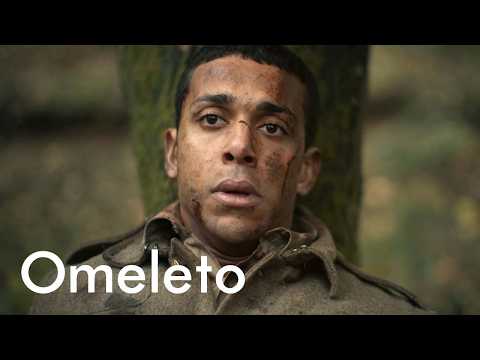
WITH LOVE, CHARLIE | Omeleto

지금 보고 있는 영상

WITH LOVE, CHARLIE | Omeleto
조회수 16,520
영상 설명 · 눌러서 펼치기
Two soldiers meet.
Jae is a South Korean man who is fluent in English, forced to work as an interpreter for the North Korean army after it invaded South Korea in 1951. In the field, he encounters an American soldier, one of many who were drafted in the Korean War to fight against communism.
Jae and Charlie's encounter is harrowing and devastating, especially to the sensitive, intelligent interpreter often forced to act against his will. Their meeting's aftermath will ripple out in unexpected ways and transform the lives of almost all involved, affecting not just the men but the pregnant wives they left behind.
Directed and written by Jaren Hayman, this compelling and moving short historical drama balances a sweeping narrative canvas with moments of poignant, lyrical emotion as it explores how one wartime encounter's consequences unfold in unexpected ways. Handsomely crafted in a visual classicism that is both lush and melancholic, its timeless style reflects archetypal themes of war's brutal senselessness, its heart-rending effects on the men involved, and the ways we are interconnected despite our differences.
The film opens with the urgent, tense encounter between a Korean soldier, his interpreter and a cornered U.S. soldier named Charlie, from whom they demand information. Riveting and taut in its telling, the meeting is tense, quick and full of menace, and its emotional imprint is seared into the viewers' consciousness as well as those of the characters -- fitting for an event that will shape the lives of those involved going forward.
Though this meeting is the origin point of the narrative and relayed in a straightforward way, the storytelling then weaves between past and present and between America and South Korea. The structure is ambitious, covering and compressing a lot of narrative terrain into the short format. It feels like a Gordian knot of memory, teasing out how the initial encounter especially haunts Jae well after his time on the battlefield and how the changes in him affect his relationship with his wife Nuri, who is bewildered by her husband's emotional distance and reticence. The American soldier's wife, Anne, on the other side of the world, waits for the return of her husband. In the middle is Jae, who remains haunted by what happened with Charlie and casts about for a way to relieve his distress and guilt.
Grounding us in this intricate world are a quartet of performances -- by actors Dongwoo Kang, Curran Walters, Abin Andrews and Ella Cannon -- that bring us into each character's hopes, dreams and heartaches. The emotional immediacy of their performances anchors us in perhaps the film's most heartfelt theme: the drift of sorrow when we are faced with the loss of a loved one. Though WITH LOVE, CHARLIE takes place during the Korean War, families are still being torn apart and loved ones are being lost fighting wars not of their choosing, and soldiers are still returning, haunted by what they've seen and done. In a world of rigid divisions, that may likely not change for some time, if ever. But the film finds consolation and hope in its understanding that we all love and despair in love's loss -- and can show empathy to one another, no matter what the side.
WITH LOVE, CHARLIE. Courtesy of Jaren Hayman at https://instagram.com/withlovecharliefilm.
Jae is a South Korean man who is fluent in English, forced to work as an interpreter for the North Korean army after it invaded South Korea in 1951. In the field, he encounters an American soldier, one of many who were drafted in the Korean War to fight against communism.
Jae and Charlie's encounter is harrowing and devastating, especially to the sensitive, intelligent interpreter often forced to act against his will. Their meeting's aftermath will ripple out in unexpected ways and transform the lives of almost all involved, affecting not just the men but the pregnant wives they left behind.
Directed and written by Jaren Hayman, this compelling and moving short historical drama balances a sweeping narrative canvas with moments of poignant, lyrical emotion as it explores how one wartime encounter's consequences unfold in unexpected ways. Handsomely crafted in a visual classicism that is both lush and melancholic, its timeless style reflects archetypal themes of war's brutal senselessness, its heart-rending effects on the men involved, and the ways we are interconnected despite our differences.
The film opens with the urgent, tense encounter between a Korean soldier, his interpreter and a cornered U.S. soldier named Charlie, from whom they demand information. Riveting and taut in its telling, the meeting is tense, quick and full of menace, and its emotional imprint is seared into the viewers' consciousness as well as those of the characters -- fitting for an event that will shape the lives of those involved going forward.
Though this meeting is the origin point of the narrative and relayed in a straightforward way, the storytelling then weaves between past and present and between America and South Korea. The structure is ambitious, covering and compressing a lot of narrative terrain into the short format. It feels like a Gordian knot of memory, teasing out how the initial encounter especially haunts Jae well after his time on the battlefield and how the changes in him affect his relationship with his wife Nuri, who is bewildered by her husband's emotional distance and reticence. The American soldier's wife, Anne, on the other side of the world, waits for the return of her husband. In the middle is Jae, who remains haunted by what happened with Charlie and casts about for a way to relieve his distress and guilt.
Grounding us in this intricate world are a quartet of performances -- by actors Dongwoo Kang, Curran Walters, Abin Andrews and Ella Cannon -- that bring us into each character's hopes, dreams and heartaches. The emotional immediacy of their performances anchors us in perhaps the film's most heartfelt theme: the drift of sorrow when we are faced with the loss of a loved one. Though WITH LOVE, CHARLIE takes place during the Korean War, families are still being torn apart and loved ones are being lost fighting wars not of their choosing, and soldiers are still returning, haunted by what they've seen and done. In a world of rigid divisions, that may likely not change for some time, if ever. But the film finds consolation and hope in its understanding that we all love and despair in love's loss -- and can show empathy to one another, no matter what the side.
WITH LOVE, CHARLIE. Courtesy of Jaren Hayman at https://instagram.com/withlovecharliefilm.