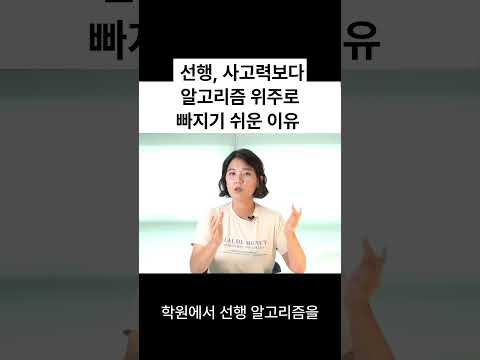
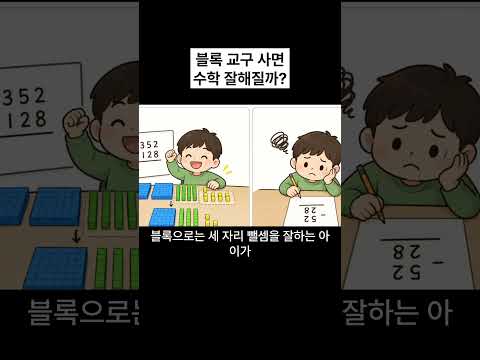
아이들이 생각하지 않고 푸는 이유 || 사고력 수학 1편

지금 보고 있는 영상
아이들이 생각하지 않고 푸는 이유 || 사고력 수학 1편
조회수 33,929
영상 설명 · 눌러서 펼치기
수학 습관 이게 제일 중요.
📺 사고력 수학 1편 풀버전 신청하기
아이의 수학 공부에 적용할 때 도움이 되는 실천 방향이 포함되어 있습니다.
전화번호를 남기시면 풀버전 완성 후 시청 링크를 보내드리고,
후속편 업데이트도 바로 알려드립니다.
👉 https://베싸.tv/ObPzDGk
--------------------------------------
육아에 정답은 없지만, 더 나은 결정을 돕는 지식은 있습니다. 🌱
베싸는 누군가의 조언을 그대로 따르기보다
양질의 지식을 바탕으로 나만의 원칙을 세우고,
스스로 결정하는 부모를 응원합니다.
그렇게 쌓인 기준은 흔들리지 않고 오래가는 양육의 힘이 되고,
아이의 성장과 부모의 유능감으로 이어집니다.
부모로서 나만의 기준을 세우는 데 필요한 자료를 아래에서 만나보세요.
👩🎓 베싸는 누구인가요?
옥스퍼드에서 교육학을 공부한 베싸가 어떤 관점과 기준으로 육아 지식을 전하는지 소개합니다.
🔗 https://베싸.tv/WNHpNIA
📘 『베싸육아』
쏟아지는 육아 정보 속에서 흔들리지 않고, 우리 가족만의 육아 원칙을 세우도록 돕는 부모 교육 도서입니다.
🛒 교보문고
🔗 https://베싸.tv/k4p9Ulg
🌿 베싸가 운영하는 육아 프로젝트
더 좋은 양육 환경을 만들기 위해 베싸가 직접 기획하고 운영하는 프로젝트입니다. 부모가 믿을 만한 지식을 바탕으로 자신만의 기준을 세우고, 일상에서 실천할 수 있도록 돕습니다.
🔗 https://베싸.tv/N5lFiFI
👨👩👧👦 베싸 커뮤니티
베싸의 지식과 다양한 부모의 경험이 연결되는 공간입니다. 질문과 생각을 나누며 각자의 상황에 맞는 육아 원칙과 답을 찾아가세요.
🔗 https://베싸.tv/ObJ8Nug
📚 베싸 추천 도서
육아 도서 200권 이상을 직접 읽고, 부모가 스스로 생각하고 판단하는 데 도움이 되는 책만 엄선했습니다.
🔗 https://베싸.tv/dTS1FFI
✨ 추천 상품
🥣 올댓오트 · 만 1세 이상
바쁜 아침에도 건강한 선택을 꾸준히 이어갈 수 있도록, 국내산 유기농 귀리로 만든 건강한 아침식사입니다.
🔗 https://베싸.tv/mzD9vQw
-------
🎓출처
Becker, J. (1993). Young children's numerical use of number words.
Bryant, P. (1995). Children and arithmetic. Journal of Child Psychology and Psychiatry, 36(1).
Carbonneau, K. J., Marley, S. C., & Selig, J. P. (2013). A meta-analysis of the efficacy of teaching mathematics with concrete manipulatives. Journal of Educational Psychology, 105(2).
Carpenter, T. P., Ansell, E., Franke, M. L., Fennema, E., & Weisbeck, L. (1993). Models of problem solving: A study of kindergarten children's problem-solving processes. Journal for Research in Mathematics Education, 24(5).
Dillon, M. R., Kannan, H., Dean, J. T., Spelke, E. S., & Duflo, E. (2017). Cognitive science in the field: A preschool intervention durably enhances intuitive but not formal mathematics. Science, 357(6346).
Fischer, J.-P., Vilette, B., Joffredo-Lebrun, S., Morellato, M., Le Normand, C., Scheibling-Seve, C., & Richard, J.-F. (2019). Should we continue to teach standard written algorithms for the arithmetical operations? The example of subtraction. Educational Studies in Mathematics, 101(1), 105–121.
Frydman, O., & Bryant, P. (1988). Sharing and the understanding of number equivalence by young children. Cognitive Development, 3(4).
Gilmore, C. K., McCarthy, S. E., & Spelke, E. S. (2008). Children's understanding of the relationship between addition and subtraction. Cognition, 107(3).
Hughes, M. (1986). Children and number. Oxford: Blackwell.
Kullberg, A., Björklund, C., Brkovic, I., & Runesson Kempe, U. (2019). Effects of learning addition and subtraction in preschool by making the first ten numbers and their relations visible. Educational Studies in Mathematics.
Molina, M., & Ambrose, R. (2006). Fostering relational thinking while negotiating the meaning of the equals sign. Teaching Children Mathematics, 13(2), 111–117.
Nunes, T., & Bryant, P. (2010). Insights from everyday knowledge for mathematics education. In D. D. Preiss & R. J. Sternberg (Eds.), Innovations in Educational Psychology (pp. 51–78). Springer.
Nunes, T., Bryant, P., Evans, D., Bell, D., Gardner, S., Gardner, A., & Carraher, J. (2007). The contribution of logical reasoning to the learning of mathematics in primary school. British Journal of Developmental Psychology, 25(1).
Nunes, T., Schliemann, A. D., & Carraher, D. W. (1993). Street mathematics and school mathematics. Cambridge University Press.
Ralston, N. C., Li, M., & Taylor, C. (2022). Student conceptions of the equal sign. The Elementary School Journal, 122(3).
Resnick, L. B., & Omanson, S. F. (1987). Learning to understand arithmetic. In R. Glaser (Ed.), Advances in instructional psychology.
Rittle-Johnson, B., Schneider, M., & Star, J. R. (2015). Not a one-way street: Bidirectional relations between procedural and conceptual knowledge of mathematics. Educational Psychology Review, 27(4).
Rittle-Johnson, B., Siegler, R. S., & Alibali, M. W. (2001). Developing conceptual understanding and procedural skill in mathematics: An iterative process. Journal of Educational Psychology, 93(2).
Thompson, P. W. (1993). Quantitative reasoning, complexity, and additive structures. Educational Studies in Mathematics, 25(3).
Thompson, P. W. (1994). The development of the concept of speed and its relationship to concepts of rate. In G. Harel & J. Confrey (Eds.), The development of multiplicative reasoning in the learning of mathematics. SUNY Press.
Wijns, N., Verschaffel, L., De Smedt, B., De Keyser, L., & Torbeyns, J. (2021). Stimulating preschoolers' focus on structure in repeating and growing patterns. Learning and Instruction, 74, 101444.
Zippert, E. L., Douglas, A.-A., Tian, F., & Rittle-Johnson, B. (2021). Helping preschoolers learn math: The impact of emphasizing the patterns in objects and numbers. Journal of Educational Psychology, 113(7), 1370–1386.
📺 사고력 수학 1편 풀버전 신청하기
아이의 수학 공부에 적용할 때 도움이 되는 실천 방향이 포함되어 있습니다.
전화번호를 남기시면 풀버전 완성 후 시청 링크를 보내드리고,
후속편 업데이트도 바로 알려드립니다.
👉 https://베싸.tv/ObPzDGk
--------------------------------------
육아에 정답은 없지만, 더 나은 결정을 돕는 지식은 있습니다. 🌱
베싸는 누군가의 조언을 그대로 따르기보다
양질의 지식을 바탕으로 나만의 원칙을 세우고,
스스로 결정하는 부모를 응원합니다.
그렇게 쌓인 기준은 흔들리지 않고 오래가는 양육의 힘이 되고,
아이의 성장과 부모의 유능감으로 이어집니다.
부모로서 나만의 기준을 세우는 데 필요한 자료를 아래에서 만나보세요.
👩🎓 베싸는 누구인가요?
옥스퍼드에서 교육학을 공부한 베싸가 어떤 관점과 기준으로 육아 지식을 전하는지 소개합니다.
🔗 https://베싸.tv/WNHpNIA
📘 『베싸육아』
쏟아지는 육아 정보 속에서 흔들리지 않고, 우리 가족만의 육아 원칙을 세우도록 돕는 부모 교육 도서입니다.
🛒 교보문고
🔗 https://베싸.tv/k4p9Ulg
🌿 베싸가 운영하는 육아 프로젝트
더 좋은 양육 환경을 만들기 위해 베싸가 직접 기획하고 운영하는 프로젝트입니다. 부모가 믿을 만한 지식을 바탕으로 자신만의 기준을 세우고, 일상에서 실천할 수 있도록 돕습니다.
🔗 https://베싸.tv/N5lFiFI
👨👩👧👦 베싸 커뮤니티
베싸의 지식과 다양한 부모의 경험이 연결되는 공간입니다. 질문과 생각을 나누며 각자의 상황에 맞는 육아 원칙과 답을 찾아가세요.
🔗 https://베싸.tv/ObJ8Nug
📚 베싸 추천 도서
육아 도서 200권 이상을 직접 읽고, 부모가 스스로 생각하고 판단하는 데 도움이 되는 책만 엄선했습니다.
🔗 https://베싸.tv/dTS1FFI
✨ 추천 상품
🥣 올댓오트 · 만 1세 이상
바쁜 아침에도 건강한 선택을 꾸준히 이어갈 수 있도록, 국내산 유기농 귀리로 만든 건강한 아침식사입니다.
🔗 https://베싸.tv/mzD9vQw
-------
🎓출처
Becker, J. (1993). Young children's numerical use of number words.
Bryant, P. (1995). Children and arithmetic. Journal of Child Psychology and Psychiatry, 36(1).
Carbonneau, K. J., Marley, S. C., & Selig, J. P. (2013). A meta-analysis of the efficacy of teaching mathematics with concrete manipulatives. Journal of Educational Psychology, 105(2).
Carpenter, T. P., Ansell, E., Franke, M. L., Fennema, E., & Weisbeck, L. (1993). Models of problem solving: A study of kindergarten children's problem-solving processes. Journal for Research in Mathematics Education, 24(5).
Dillon, M. R., Kannan, H., Dean, J. T., Spelke, E. S., & Duflo, E. (2017). Cognitive science in the field: A preschool intervention durably enhances intuitive but not formal mathematics. Science, 357(6346).
Fischer, J.-P., Vilette, B., Joffredo-Lebrun, S., Morellato, M., Le Normand, C., Scheibling-Seve, C., & Richard, J.-F. (2019). Should we continue to teach standard written algorithms for the arithmetical operations? The example of subtraction. Educational Studies in Mathematics, 101(1), 105–121.
Frydman, O., & Bryant, P. (1988). Sharing and the understanding of number equivalence by young children. Cognitive Development, 3(4).
Gilmore, C. K., McCarthy, S. E., & Spelke, E. S. (2008). Children's understanding of the relationship between addition and subtraction. Cognition, 107(3).
Hughes, M. (1986). Children and number. Oxford: Blackwell.
Kullberg, A., Björklund, C., Brkovic, I., & Runesson Kempe, U. (2019). Effects of learning addition and subtraction in preschool by making the first ten numbers and their relations visible. Educational Studies in Mathematics.
Molina, M., & Ambrose, R. (2006). Fostering relational thinking while negotiating the meaning of the equals sign. Teaching Children Mathematics, 13(2), 111–117.
Nunes, T., & Bryant, P. (2010). Insights from everyday knowledge for mathematics education. In D. D. Preiss & R. J. Sternberg (Eds.), Innovations in Educational Psychology (pp. 51–78). Springer.
Nunes, T., Bryant, P., Evans, D., Bell, D., Gardner, S., Gardner, A., & Carraher, J. (2007). The contribution of logical reasoning to the learning of mathematics in primary school. British Journal of Developmental Psychology, 25(1).
Nunes, T., Schliemann, A. D., & Carraher, D. W. (1993). Street mathematics and school mathematics. Cambridge University Press.
Ralston, N. C., Li, M., & Taylor, C. (2022). Student conceptions of the equal sign. The Elementary School Journal, 122(3).
Resnick, L. B., & Omanson, S. F. (1987). Learning to understand arithmetic. In R. Glaser (Ed.), Advances in instructional psychology.
Rittle-Johnson, B., Schneider, M., & Star, J. R. (2015). Not a one-way street: Bidirectional relations between procedural and conceptual knowledge of mathematics. Educational Psychology Review, 27(4).
Rittle-Johnson, B., Siegler, R. S., & Alibali, M. W. (2001). Developing conceptual understanding and procedural skill in mathematics: An iterative process. Journal of Educational Psychology, 93(2).
Thompson, P. W. (1993). Quantitative reasoning, complexity, and additive structures. Educational Studies in Mathematics, 25(3).
Thompson, P. W. (1994). The development of the concept of speed and its relationship to concepts of rate. In G. Harel & J. Confrey (Eds.), The development of multiplicative reasoning in the learning of mathematics. SUNY Press.
Wijns, N., Verschaffel, L., De Smedt, B., De Keyser, L., & Torbeyns, J. (2021). Stimulating preschoolers' focus on structure in repeating and growing patterns. Learning and Instruction, 74, 101444.
Zippert, E. L., Douglas, A.-A., Tian, F., & Rittle-Johnson, B. (2021). Helping preschoolers learn math: The impact of emphasizing the patterns in objects and numbers. Journal of Educational Psychology, 113(7), 1370–1386.