The Revenge of the Sith Blooper That Made Them Both Crack 😂🎬

지금 보고 있는 영상

The Revenge of the Sith Blooper That Made Them Both Crack 😂🎬
조회수 448,992
영상 설명 · 눌러서 펼치기
During the production of Star Wars Episode II: Attack of the Clones, director George Lucas and his cast navigated the considerable challenge of building a believable romance between Anakin Skywalker and Padmé Amidala under the pressures of an ambitious shooting schedule. In one particular scene, actor Hayden Christensen was meant to reach for Natalie Portman's hand only after she delivered the line "No, you're not," a carefully choreographed beat designed to underscore the tentative, forbidden nature of their growing attachment. Christensen, however, extended his hand a fraction too early, jumping the scripted cue and inadvertently altering the emotional rhythm the scene's blocking was intended to convey. Rather than halting the take, both actors continued, and the moment of slight mistiming was captured on film with an unscripted awkwardness that actually mirrored the clumsy, earnest quality of young Anakin's romantic overtures. The incident illustrated a broader truth about the prequel trilogy's production — that some of its most discussed character moments emerged not from polished execution but from the imperfect, spontaneous reality of performance under pressure. That small reaching gesture, off by just a beat, became emblematic of the wider conversation about chemistry, directorial choices, and the unconventional human moments that slipped through the seams of a heavily effects-driven production.
This video is intended solely for educational and historical analysis. It does not support, promote, or glorify war or any form of hatred. Its purpose is to present verified historical facts and encourage critical understanding of past events.
This video is intended solely for educational and historical analysis. It does not support, promote, or glorify war or any form of hatred. Its purpose is to present verified historical facts and encourage critical understanding of past events.
Swagger Exposed Shorts 다른 영상

The Star Trek Blooper Where Gates McFadden Made Patrick Stewart Scream 😂🪨
조회수 230,723

Why Snoop Dogg Showed Up As The Blue Bandana At The Super Bowl 💙🏈
조회수 20,376

When Jim Carrey Made Jennifer Aniston Break Character Twice 😂🎬
조회수 66,835

The Star Trek Blooper Where Worf Ruins The Scene 😂🚀
조회수 191,499
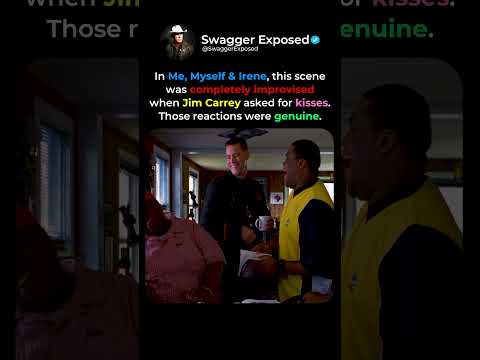
When Jim Carrey Improvised The Asking For Kisses Scene 😂💋
조회수 86,140

The Star Trek Blooper Where Worf Almost Said The Wrong Thing 🖖😂
조회수 1,032,920

When Evan Longoria Activated His Spidey-sense To Catch a Foul Ball ⚾😱
조회수 627,305
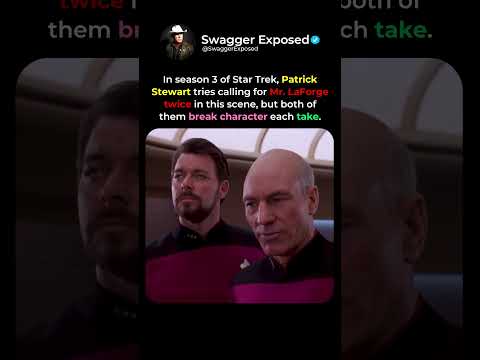
When Patrick Stewart Couldn’t Get Through One Line Without Cracking Up 😂🖖
조회수 2,636,520