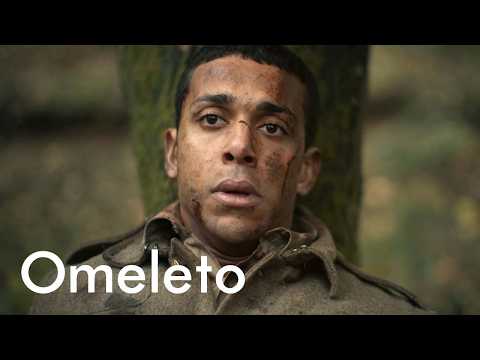
WALTER | Omeleto

지금 보고 있는 영상

WALTER | Omeleto
조회수 10,408
영상 설명 · 눌러서 펼치기
A man confronts teenagers.
Walter is a widower who has retreated into solitude in the wake of his wife's passing. He spends his hours inside, painstakingly working on his miniatures. But his fragile peace is broken when local neighborhood teenagers harass him, egging his house and interrupting his self-imposed exile from the outside world.
At first, Walter bears the harassment stoically enough. But as the teens escalate into bullying the older man, he decides to fight back.
Directed and written by Danik Bartolini, this short drama is a character study of a man who has withdrawn from the world, alone with his grief for the wife he lost. Like Walter himself, the film has an overall tenor of patient observation and introspection at first. As he finds himself under siege in his own neighborhood, both Walter and the film subtly shift registers into dark humor, as the fine line of endurance snaps and becomes a breaking point, and Walter finds himself drawn, against his will, back into the outside world.
The film devotes attention to the quiet, hushed peace of Walter's cloistered world, as he wanders in a home filled with memories and mementos of a full and rich life, working on his miniatures and eating in front of the TV. The cinematography is both warm and melancholy, and the camerawork is understated, as if not to disturb the contemplative atmosphere, which seems both peaceful and avoidant. But that sense of burnished quiet is wrecked by the intrusions of neighborhood mischief-makers, who egg his house and set his belongings on fire. When they destroy Walter's loving garden memorial to his wife, though, they've gone too far, and Walter sets out to confront them.
As Walter, actor Fernand Lavoie conveys his character's grief with stoicism and understatement, as someone who wants to be left alone by the world. But the teen vandals refuse to let him withdraw, and their persecution slowly enrages Walter, who becomes determined to confront them, partly to stand up for himself, and perhaps for revenge. We don't see his adversaries until nearly the end of the film, but they're startlingly young -- and no match for Walter.
The conclusion of WALTER is not just a collision of characters, but between the film's modes of quiet character study and darkly ironic thriller-drama. It ends with just enough detail to let us know what happened in the broadest sense, but interestingly, with some ambiguity of Walter's emotional resolution. This quiet, self-contained man finally finds an outlet for the pain inside himself, allowing himself tears -- for his deceased wife, for the violence that unfolded and perhaps for himself. One can only take so much when it comes to both tragedy and persecution.
WALTER. Courtesy of Danik Bartolini at https://bio.site/walter.shortfilm.
Walter is a widower who has retreated into solitude in the wake of his wife's passing. He spends his hours inside, painstakingly working on his miniatures. But his fragile peace is broken when local neighborhood teenagers harass him, egging his house and interrupting his self-imposed exile from the outside world.
At first, Walter bears the harassment stoically enough. But as the teens escalate into bullying the older man, he decides to fight back.
Directed and written by Danik Bartolini, this short drama is a character study of a man who has withdrawn from the world, alone with his grief for the wife he lost. Like Walter himself, the film has an overall tenor of patient observation and introspection at first. As he finds himself under siege in his own neighborhood, both Walter and the film subtly shift registers into dark humor, as the fine line of endurance snaps and becomes a breaking point, and Walter finds himself drawn, against his will, back into the outside world.
The film devotes attention to the quiet, hushed peace of Walter's cloistered world, as he wanders in a home filled with memories and mementos of a full and rich life, working on his miniatures and eating in front of the TV. The cinematography is both warm and melancholy, and the camerawork is understated, as if not to disturb the contemplative atmosphere, which seems both peaceful and avoidant. But that sense of burnished quiet is wrecked by the intrusions of neighborhood mischief-makers, who egg his house and set his belongings on fire. When they destroy Walter's loving garden memorial to his wife, though, they've gone too far, and Walter sets out to confront them.
As Walter, actor Fernand Lavoie conveys his character's grief with stoicism and understatement, as someone who wants to be left alone by the world. But the teen vandals refuse to let him withdraw, and their persecution slowly enrages Walter, who becomes determined to confront them, partly to stand up for himself, and perhaps for revenge. We don't see his adversaries until nearly the end of the film, but they're startlingly young -- and no match for Walter.
The conclusion of WALTER is not just a collision of characters, but between the film's modes of quiet character study and darkly ironic thriller-drama. It ends with just enough detail to let us know what happened in the broadest sense, but interestingly, with some ambiguity of Walter's emotional resolution. This quiet, self-contained man finally finds an outlet for the pain inside himself, allowing himself tears -- for his deceased wife, for the violence that unfolded and perhaps for himself. One can only take so much when it comes to both tragedy and persecution.
WALTER. Courtesy of Danik Bartolini at https://bio.site/walter.shortfilm.