Critical Minerals | Why Do You Study That?

지금 보고 있는 영상

Critical Minerals | Why Do You Study That?
조회수 1,376
영상 설명 · 눌러서 펼치기
Do you know what your phone is made of – and where this material comes from?
In this episode of Why Do You Study That?, Duke environmental scientist Avner Vengosh takes us on a journey around the world to track critical minerals. Metals like lithium and cobalt are crucial to keep the modern electrified world humming along, but we rarely think about where they come from.
Vengosh and his lab at Duke University use “chemical fingerprinting” to distinguish where critical minerals originate, especially trying to flag sources with reported dangerous working conditions. On the positive side, understanding these different sources opens the possibility for finding new geology – including in the United States – to expand the resources available domestically.
Collaborating with researchers across Duke, Vengosh is exploring the supply chain and use of critical minerals as part of Duke Critical Minerals Hub.
Learn more:
• Vengosh Lab: https://sites.nicholas.duke.edu/avnervengosh/
• Critical Minerals Hub: https://criticalminerals.duke.edu/
researchsaveslives.duke.edu
𝐀𝐛𝐨𝐮𝐭 𝐃𝐮𝐤𝐞 𝐔𝐧𝐢𝐯𝐞𝐫𝐬𝐢𝐭𝐲
Established in 1924 in Durham, North Carolina, Duke University is one of the world’s leading institutions for education, research, and patient care.
Subscribe ➡️ https://www.youtube.com/@dukeuniversity
𝐅𝐨𝐥𝐥𝐨𝐰 #𝐃𝐮𝐤𝐞𝐔𝐧𝐢𝐯𝐞𝐫𝐬𝐢𝐭𝐲
Home: https://duke.edu/
News: https://today.duke.edu/
X (Formerly Twitter): @DukeU
Instagram: @dukeuniversity
Facebook: @dukeuniv
LinkedIn: @DukeUniversity
Transcript:
00:00:01:06 - 00:00:04:16
Without critical
mineral, we won't have electric car,
00:00:04:16 - 00:00:08:17
we won't have cell phones,
and we won't have major developing
00:00:08:18 - 00:00:10:21
technology that we need today.
00:00:10:21 - 00:00:13:21
My name is Avner Vengosh, and I study
00:00:13:21 - 00:00:16:21
critical mineral.
00:00:22:06 - 00:00:23:07
Critical minerals
00:00:23:07 - 00:00:28:06
are a list of elements
that exist in nature.
00:00:28:06 - 00:00:31:07
And they are critical for the future
00:00:31:07 - 00:00:34:19
economic development of our society.
00:00:35:01 - 00:00:38:13
This is a rock coming
all the way from California
00:00:38:13 - 00:00:41:13
that contain high level of rare earth.
00:00:41:13 - 00:00:46:04
In fact, this is the only source of rare
earth in the United States today.
00:00:46:04 - 00:00:50:22
And when they processing critical mineral,
they generate this powder.
00:00:51:14 - 00:00:55:06
However, this powder can come
from different parts of the world.
00:00:55:06 - 00:00:59:02
And the question is how to identify
such powder
00:00:59:05 - 00:01:01:22
where they're coming from in the supply
chain.
00:01:01:22 - 00:01:07:14
The isotope technique that we develop
can be compared to DNA we do with human.
00:01:07:14 - 00:01:10:16
So we're basically looking
at the fingerprint of rocks.
00:01:10:17 - 00:01:12:16
Many of the critical mineral mining,
00:01:12:16 - 00:01:15:19
of course,
the world in some countries are illegal
00:01:16:02 - 00:01:20:09
and they're using a child
labor, environmental injustice
00:01:20:10 - 00:01:26:00
So being able to trace where
those critical minerals are coming from,
00:01:26:01 - 00:01:29:20
we see it as really important
for protection, people
00:01:29:20 - 00:01:31:09
protection, communities,
00:01:31:09 - 00:01:35:19
and to make sure that those areas
are not being used by companies, as well.
00:01:36:00 - 00:01:38:19
A group of faculty here at Duke
00:01:38:19 - 00:01:42:21
gathered together
to build the Critical Mineral Hub at Duke.
00:01:42:22 - 00:01:46:17
And the idea is to bring faculty
and their students
00:01:46:17 - 00:01:51:15
from different disciplines
to work together in an interdisciplinary
00:01:51:15 - 00:01:56:11
manner to better understand the different
component of critical mineral
00:01:56:20 - 00:02:02:00
Federal funding is essential to be able
to conduct research on critical mineral.
00:02:02:00 - 00:02:06:00
given that now there is a major rush
00:02:06:13 - 00:02:10:06
for critical mineral,
it's really important that we should not
00:02:10:07 - 00:02:14:09
go back to the mistakes
we have done for fossil fuel,
00:02:14:09 - 00:02:18:21
and the critical mineral exploration
and processing
00:02:19:00 - 00:02:23:03
would be conducted
in a very sustainable way.
MB01GE61OBXXBWG
Duke University 다른 영상
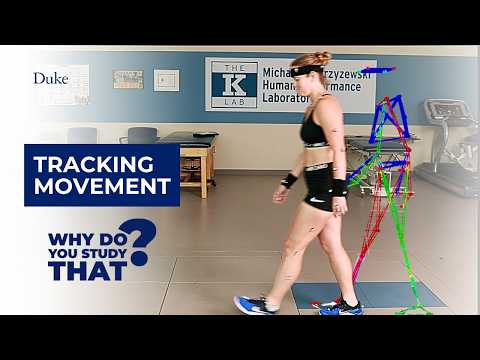
What Can Your Walk Reveal About You? | Why Do You Study That?
조회수 202

What Sparks Climate Action? | Climate Pathfinders
조회수 233

Advice for succeeding in nursing school
조회수 837

Check out this innovative high school!
조회수 4,299

Origins: Durham Early College of Health Sciences
조회수 744

Day in The Life of a Nursing School Clinical Day
조회수 5,513

A Day in the Life of a Nursing Student
조회수 8,810

Disagree Better - Panel Discussion with NM Gov. Michelle Lujan Grisham and WY Gov. Mark Gordon