When Warner Bros. Put Jim Carrey's Face On A Fish 🐟😳

지금 보고 있는 영상

When Warner Bros. Put Jim Carrey's Face On A Fish 🐟😳
조회수 17,429
영상 설명 · 눌러서 펼치기
Warner Bros., flush with the confidence of an era when star power seemed to guarantee box-office returns, set out in 1998 to remake The Incredible Mr. Limpet, the 1964 comedy in which Don Knotts played a mild-mannered bookkeeper transformed into a fish who aided the U.S. Navy during the Second World War. The studio reportedly committed $25 million to Jim Carrey, then at the height of his commercial dominance, and invested a further $10 million in early visual development that grafted the actor's famously elastic features onto an animated fish. The resulting test imagery, caught somewhere between cartoon whimsy and photorealistic distortion, struck many observers as more unsettling than charming, and the project stalled amid creative uncertainty and mounting costs. Its eventual cancellation spared audiences what some later remembered as an uncanny-valley spectacle, though the effort left the studio with a substantial sunk cost and nothing to show for it. In retrospect, the abandoned Limpet stood as a cautionary episode in late-1990s Hollywood, revealing how emerging digital effects and inflated star salaries could combine to produce ambitions that outpaced both the technology and the audience's tolerance for the strange.
This video is intended solely for educational and historical analysis. It does not support, promote, or glorify war or any form of hatred. Its purpose is to present verified historical facts and encourage critical understanding of past events.
This video is intended solely for educational and historical analysis. It does not support, promote, or glorify war or any form of hatred. Its purpose is to present verified historical facts and encourage critical understanding of past events.
Swagger Exposed Shorts 다른 영상

The Interstellar Black Hole Scene Which Took Insanely Long To Render 🕳️🤯
조회수 30,600

When Leonardo DiCaprio Pranked Jonah Hill By Pretending To Be A Fan 😂📸
조회수 260,392

The Hidden Easter Egg In Cloudy With A Chance Of Meatballs 🥧😳
조회수 64,896

How Final Destination Bloodlines Faked A Head Crush 🚛😱
조회수 85,528

Behind the Scenes: Billy Zane Pranking A Gentleman On The Titanic Set 🎩😂
조회수 7,096,655

Why Gandalf Broke Down Whilst Filming The Hobbit 🧙♂️💔
조회수 900,677
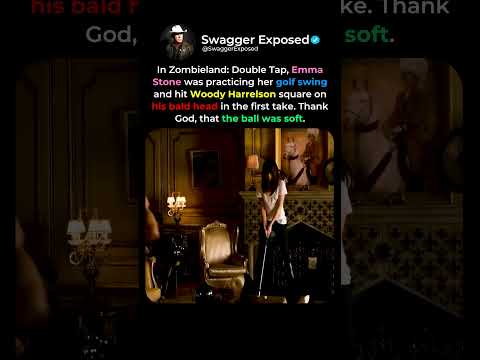
When Emma Stone Hit Woody Harrelson's Bald Head With a Golf Ball 🏌️♀️😂
조회수 104,463

Why Anjelica Huston Never Returned As Morticia Addams 🖤💃
조회수 201,261