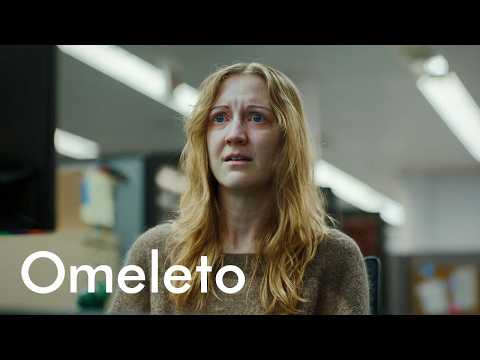
AN APOLOGY | Omeleto

지금 보고 있는 영상

AN APOLOGY | Omeleto
조회수 13,255
영상 설명 · 눌러서 펼치기
A pastor apologizes.
Pastor John is the longtime minister at a parochial school, known for his principles and steadfast piety. He is a bedrock for this small community, and an adherent of both religious and school traditions.
But then the school gets a new principal, who has a different way of doing things. She's been getting phone calls about John's earlier sermon, and many people are upset, with an uproar over social media beginning to crest. She would like John to publicly apologize in his next sermon. John must decide what to do, deciding between his role in the community or his words as a man of God.
Directed and written by Marc Vecchio, this restrained yet thought-provoking short drama is a quiet, subtle treatment of a firestorm that arises over one pastor's public statements. Shot with an elegantly askew, composed visual style that feels both painterly and forensic at once, the plot contains many hot-button issues and topics that feel very au courant to our political moment right now, but it wrestles with moral, ethical and spiritual dilemmas that feel deeper and more eternal, as the pastor grapples with faith, authority and belief, especially in a world that is always watching at a previously unimaginable scale.
Actor Andy McPhee gives an understated performance that nevertheless is remarkable in conveying the inner depths and complexity of a man of belief, one who has worked hard to attain a certain moral authority in his community, due to the steadfastness of his beliefs, his dedication and his integrity. His words, in other words, generally align with his beliefs and his actions. But that moral and ethical alignment is challenged when he is essentially ordered by the principal to issue a public apology for a sermon he gave earlier, when he gently but unequivocally condemned homosexuality.
That exchange is masterful in weaving both the carefully considered words and the iron conviction between both parties; the excellent dialogue bristles with defensiveness, as a power play emerges between John and the principal. He is genuine and unapologetic in his beliefs, though they're expressed with quiet dignity, but the principal is grappling with more immediate and secular concerns that are pressing and impactful to the school and its future as well. The combination of intelligent writing and performances neatly sidesteps a need to judge John as right or wrong. Instead, the breaking point winnows down to whether or not John will go against his sincere beliefs, sacrificing his position at the school and community for what he truly believes to be the truth.
But there's a set of key wide shots in AN APOLOGY that feels ominously consequential, complicating the internal moral dilemma and inviting a different framing and interpretation of the story. As John sits in a pew, contemplating the text of his apology, a camera is set up high above in the back of the room, set to capture John's public statement. The camera is placed normally where we'd expect a piece of religious iconography, and it looks down on John, its removed, almost pitiless gaze seeing his every move. If religion can be seen as a way to internalize and inculcate a moral framework and spiritual lens in humankind, this all-seeing eye now shapes and pressurizes words and actions, its scrutiny in the place of conscience.
AN APOLOGY. Courtesy of Marc Vecchio at https://marcvecchiofilm.com.