POST | Omeleto

지금 보고 있는 영상

POST | Omeleto
조회수 11,710
영상 설명 · 눌러서 펼치기
A guard copes.
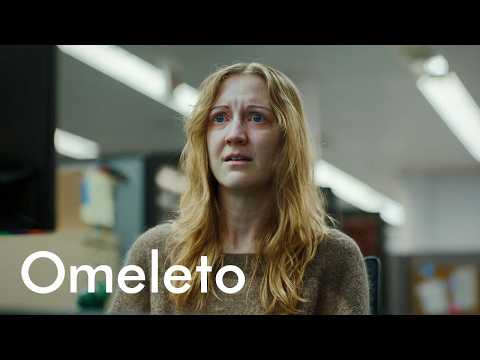
Daniel is a guard at a prison who recently had a difficult interaction with a traumatized inmate who was held in solitary confinement. Keegan grew mentally agitated and tragedy struck while under Daniel's watch.
Now Daniel is under review by the authorities, who must evaluate if he is fit to return to work. Daniel must harden himself emotionally to get back to his job, but doing so might push him to the edge once again.
Directed by Jo Lane and written by Jo Lane, Eddie Capli and Tommy Egan, this textured, vivid short drama examines the PTSD caused by a broken system of justice and incarceration, which takes its toll on both the prisoners and the officers assigned to keep them in line. Told as a fractured and almost impressionistic blur of sounds, visuals and dialogue, it captures both flickers of empathy and humanity between the prisoner and the guard and the limits of such compassion in a cold and often brutal system.
We first meet Daniel at a sit-down with his boss as he tries to convince him he's well enough to return to work, before circling around to the recent past, where he developed something of a rapport with Keegan, who is held in solitary confinement. The storytelling manages the trick of feeling both intimate and detached, emotionally immersing viewers in a state of consciousness that feels dissociated and distressed, much like Daniel and Keegan themselves. Visually, shots are often askew, don't often match smoothly within the editing and the score layers distortion and electronic drone, creating a tone of disturbance that escalates with Keegan's agitation. He doesn't know how long he's going to be held in solitary; he's missing his child's birthday; he wants to talk to someone but is discouraged from seeking help. It's no surprise, then, when he takes drastic action, which in turn traumatizes Daniel.
As Daniel and Keegan, respectively, actors Eddie Capli and Tommy Egan are excellent, both committed performers who get to the raw emotions under tough, stoic or hardened demeanors. They seem to have little in common, but both men must hide their distress and suffering to "get on with it." Daniel himself tells Keegan not to seek out counseling, saying Keegan will jeopardize his chances of being released. But Daniel soon realizes the harm this causes, as he himself must harden himself to return to work.
Compassionate yet unflinching, POST focuses on the U.K.'s policy of Imprisonment for Public Protection sentencing, in which indeterminate terms of imprisonment are levied against individuals whose crimes were not serious enough for life sentencing but considered too dangerous once their original terms were served. IPP sentences were abolished in 2012, though abolition did not apply retroactively, and IPP prisoners still serve them. Many have already served many years beyond their minimum sentencing, and a very large percentage commit self-harm under them. POST puts an emotional shape on these facts, portraying how both prisoners and prison officers suffer under a system that is broken, overwhelmed and indifferent to humans.
POST. Courtesy of Jo Lane at https://instagram.com/post_short.film.