Can You Hear ㄷ, ㅌ, and ㄸ? 👂 #korean

지금 보고 있는 영상

Can You Hear ㄷ, ㅌ, and ㄸ? 👂 #korean
조회수 1,833
영상 설명 · 눌러서 펼치기
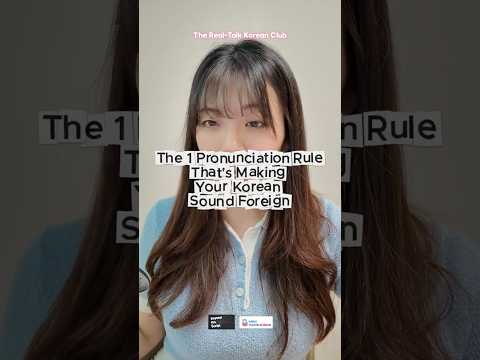
Can you actually hear the difference between ㄷ, ㅌ, and ㄸ? Many learners struggle with it. 👂
So here’s the trick I love breaking down (and one I started teaching on YouTube way before it caught on 😊):
✔️ㄷ → keep your pitch low and relaxed, no air.
✔️ㅌ → raise your pitch (when followed by a vowel) and push out a big puff of air. 💨
✔️ㄸ → build up pressure inside your mouth so it holds a little longer than other consonants, then release it like a little pop.
That‘s it.
Plain, aspirated, tense.
Just remember those three little moves and they stop blending together.
Want to actually train it?
Inside Beyond the Script, our speaking club, challenge sentences like these drop every single week, so you can record yourself and send them straight to me. 🩵
Which one trips you up the most?
Tell me below. 👇
#koreanlanguage #한국어 #studykorean #한국어공부
So here’s the trick I love breaking down (and one I started teaching on YouTube way before it caught on 😊):
✔️ㄷ → keep your pitch low and relaxed, no air.
✔️ㅌ → raise your pitch (when followed by a vowel) and push out a big puff of air. 💨
✔️ㄸ → build up pressure inside your mouth so it holds a little longer than other consonants, then release it like a little pop.
That‘s it.
Plain, aspirated, tense.
Just remember those three little moves and they stop blending together.
Want to actually train it?
Inside Beyond the Script, our speaking club, challenge sentences like these drop every single week, so you can record yourself and send them straight to me. 🩵
Which one trips you up the most?
Tell me below. 👇
#koreanlanguage #한국어 #studykorean #한국어공부
Minji Teaches Korean 민지 티치 코리안 다른 영상

Your textbook lied about this Korean grammar! #koreanlanguage
조회수 1,311

Koreans Say This WRONG? 🇰🇷 The Korean Grammar Textbooks Don’t Tell You #korean #koreanlanguage
조회수 2,186

Why Koreans Hear "Kebab" When You Say K-pop 🥙
조회수 2,586

Your Korean textbook lied.... #korean #koreanlanguage
조회수 1,838

Can You Pronounce 음료? 👀#koreanlanguage
조회수 2,221

Stop saying 합니다 like this 🛑 #korean #koreanlanguage
조회수 1,953
Why Native Koreans Can't Understand Your Korean #koreanlanguage
조회수 2,118

This Sounds Off in Korean! #korean #koreanlanguage
조회수 2,076